You've got questions about making your bathroom accessible, and I've got answers. Over at Omega Kitchen & Bath, we've helped plenty of folks in Bixby and the surrounding areas make their homes work better for everyone. It's not just about meeting a code; it's about comfort, safety, and independence. Here are the real-deal answers to the questions I hear most often.
What's the biggest mistake people make when planning an accessible bathroom?
The biggest one I see, hands down, is not thinking about the future. People often plan for a current need – maybe a temporary injury or an aging parent moving in. But life changes. If you're going to invest in an accessible bathroom, try to think five, ten, even fifteen years down the road. Will those grab bars still be in the right spot? Is the shower entrance wide enough if a wheelchair becomes necessary? It's much cheaper and easier to build in flexibility now than to tear things out and redo them later. Think about universal design principles – making it work for everyone, regardless of age or ability, from day one.
Do I need a huge bathroom for it to be accessible?
Not necessarily, but space is definitely a factor. The key isn't always sheer size, but smart layout and clear floor space. For someone using a wheelchair, you generally need a 60-inch turning radius in the bathroom. That's a big circle. If you can't get that, sometimes a T-turn space can work. We've done some clever layouts in smaller Bixby homes, especially in those older houses down near the Arkansas River where bathrooms can be pretty tight. Sometimes it means reconfiguring a wall or borrowing space from a closet, but it's often doable. The main goal is unobstructed movement around the toilet, sink, and shower.
What's the deal with roll-in showers versus traditional tubs?
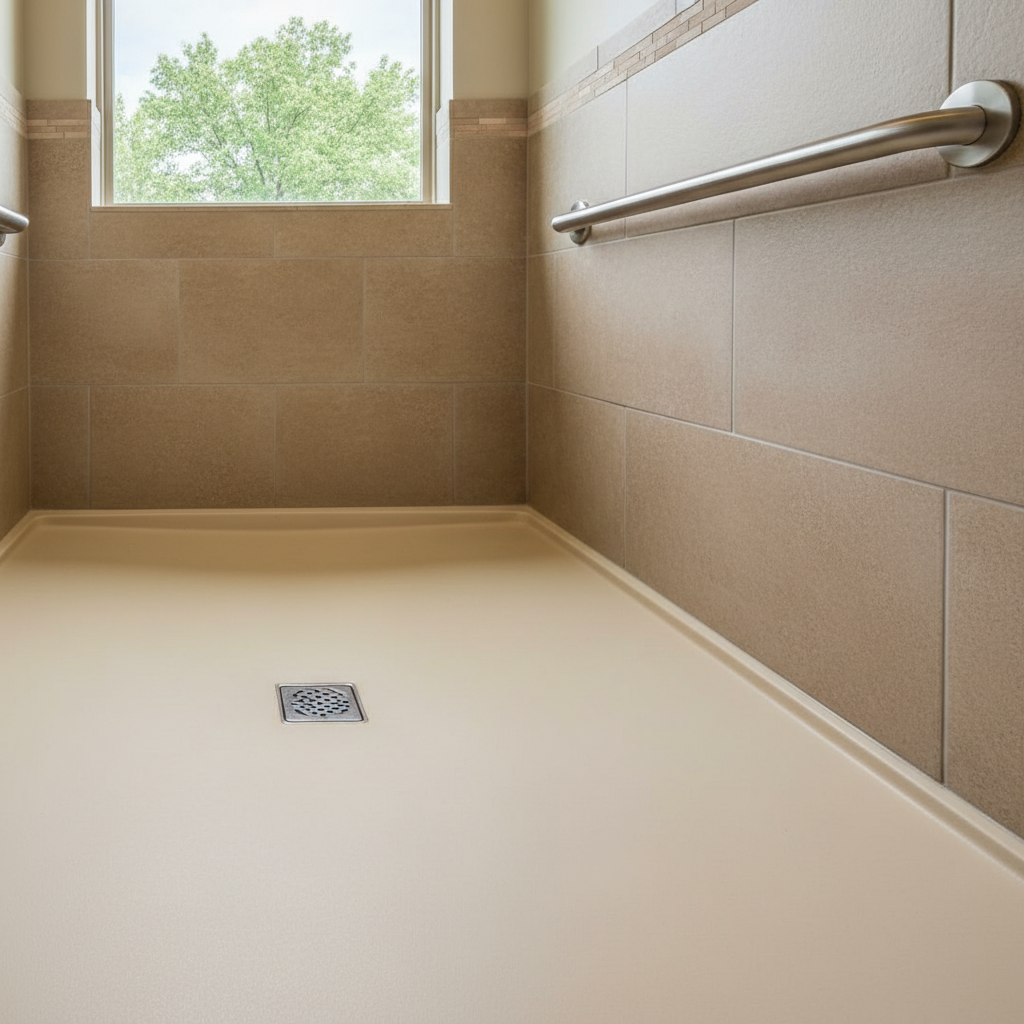
Roll-in showers are usually the gold standard for accessibility. They eliminate the curb, which is a major tripping hazard and a barrier for wheelchairs or walkers. You just roll or walk right in. They often feature a bench, adjustable showerheads, and grab bars. Tubs, even with transfer benches, are generally less accessible and carry a higher risk of falls. If you're planning for long-term accessibility, a roll-in shower is almost always the way to go. We can make them look really sharp too, not just institutional. Think beautiful tile, sleek fixtures, and proper drainage, which is super important to get right with a curbless design.
Are grab bars really necessary, and where should they go?
Absolutely, grab bars are non-negotiable for safety. They're not just for people with mobility issues; anyone can slip. The 'where' is crucial. You'll want them next to the toilet – usually one on the back wall and one on the side wall, or two on the side if there's no wall behind. In the shower, they should be positioned to assist with stepping in (if there's a small curb), sitting on a bench, and standing up. They need to be installed into wall studs or with proper blocking, not just drywall anchors. I've seen too many DIY jobs where a grab bar pulls right out of the wall, and that's a recipe for a serious injury. Don't skimp on proper installation here.
How much does an accessible bathroom remodel cost in Bixby?
This is probably the most common question, and honestly, it varies wildly. A basic conversion, like adding grab bars and a comfort-height toilet, might be a few hundred to a couple of thousand dollars. A full gut remodel to create a truly accessible space – expanding doorways, installing a roll-in shower, new flooring, accessible vanity, etc. – can easily run from $15,000 to $30,000 or more. It depends on the size of the bathroom, the materials you choose, and how much structural work is needed. For example, if we're moving plumbing or electrical, or if we have to deal with the expansive clay soil we sometimes see around Bixby that can affect foundations, costs can climb. We always provide a detailed estimate so you know exactly what you're getting into.
Can an accessible bathroom still look good? I don't want it to feel like a hospital.
Definitely! This is where good design comes in. Accessible doesn't have to mean institutional. We work with clients all the time to create spaces that are both highly functional and beautiful. You can choose stylish tiles, modern fixtures, attractive vanities with open shelving for easy access, and even incorporate elements like natural light or custom storage. The key is integrating accessibility features seamlessly into the overall design. For example, a sleek linear drain in a roll-in shower can look very contemporary, and grab bars come in a variety of finishes that can blend with your decor. It's about smart choices, not compromises on aesthetics.
What about accessible sinks and vanities?
For sinks, you want something that allows for knee clearance underneath, especially for wheelchair users. Pedestal sinks or wall-mounted sinks are good options. If you prefer a vanity, look for one that's designed to be open underneath or can be modified for clearance. The height is also important – typically around 34 inches from the floor to the top of the counter for accessibility. Faucets should be easy to operate, like lever handles or touchless models, rather than knobs that require twisting. Mirrors should be mounted lower or be tiltable so everyone can use them comfortably. It's all about making every element of the bathroom usable without strain or difficulty.
Are there any financial assistance programs for accessible remodels?
Sometimes, yes. It's worth looking into. There are often state or federal programs, and sometimes local non-profits, that offer grants or low-interest loans for home modifications for seniors or people with disabilities. Programs like Medicaid waivers or VA benefits might cover some costs. It's not always a straightforward process, and eligibility can be strict, but it's absolutely worth researching. I always tell folks to check with their local Area Agency on Aging or disability resources for the most current information. We don't handle the funding side, but we can certainly provide the estimates and work with any program requirements you might have.
Making your bathroom accessible is a big step, but it's one that can dramatically improve quality of life and safety. Don't hesitate to reach out if you're in Bixby and want to talk through your specific needs. We're here to help.